Invisalign Calabasas CA and the Path to a Healthier Smile
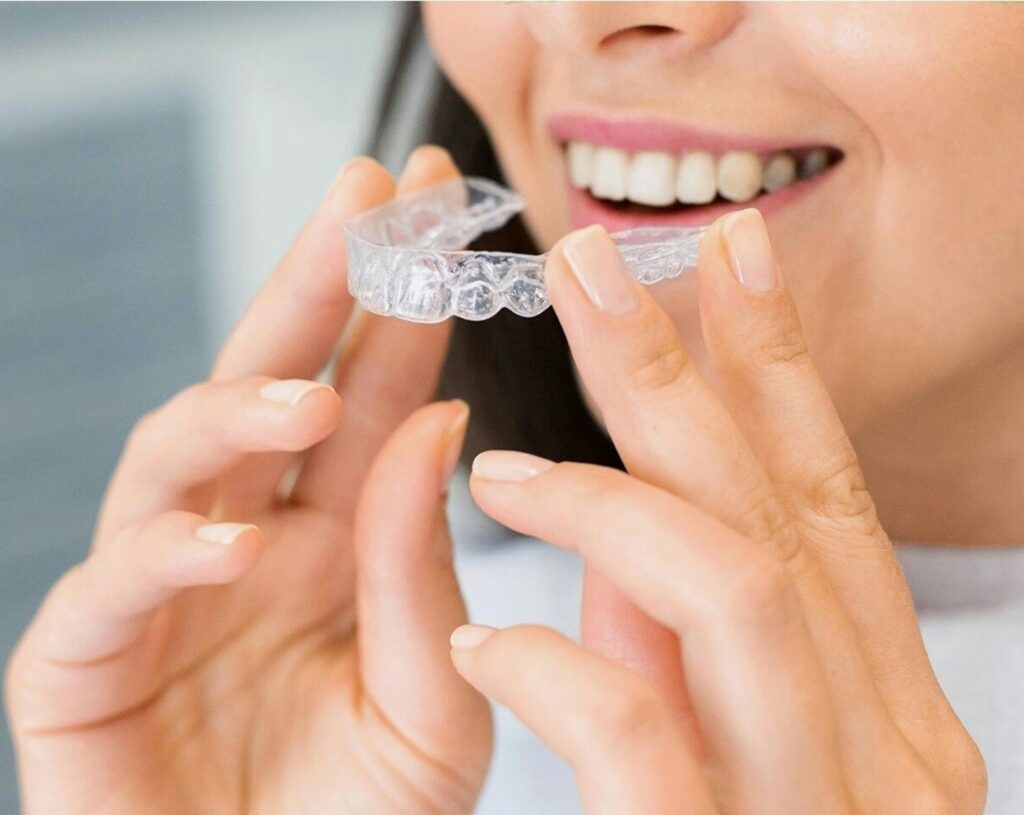
A healthier smile is rarely just about straight teeth. In practice, alignment affects far more than appearance. When teeth fit together properly, patients often find it easier to brush and floss thoroughly, less likely to chip an edge on a crowded incisor, and more comfortable when chewing. Speech can improve. Jaw strain can ease. Even confidence changes the way a person carries themselves in a meeting, a family photo, or a simple conversation across a dinner table.
That broader picture matters when people begin looking into Invisalign Calabasas CA. Many start with cosmetics in mind, which is understandable. They want a smile that looks cleaner and more balanced. Yet after an orthodontic consultation, the conversation often shifts toward function and long-term oral health. Straightening teeth with clear aligners is not just about creating a good before-and-after image. Done well, it can support healthier gums, reduce uneven wear, and create a bite that works better every day.
Calabasas patients tend to ask smart, practical questions. They want to know whether Invisalign is worth the investment, whether it will disrupt work or school, and whether the results will actually last. Those are the right questions. Orthodontic treatment is a commitment, and it pays to understand both the advantages and the trade-offs before starting.
Why alignment affects oral health more than most people realize
Dentists and hygienists see the same pattern over and over. Teeth that overlap tightly can trap plaque in places a toothbrush simply does not reach well. Floss can shred or snag. Even careful patients miss spots if the anatomy works against them. Over time, those hard-to-clean areas can contribute to inflammation, bleeding gums, and early decay between teeth.
The opposite problem can be troublesome too. When teeth are spaced too far apart or a bite does not meet evenly, certain teeth may take more pressure than they were meant to handle. It is common to see flattened edges, tiny cracks, or gum recession around teeth that absorb repeated stress. A misaligned bite can also push the jaw into positions that feel strained, especially in patients who clench at night.
This is one reason orthodontic care often becomes part of a larger dental plan. A patient may come in concerned Oaks Dental Invisalign Calabasas CA about one crooked front tooth, but the exam reveals more. Perhaps lower crowding makes hygiene difficult. Perhaps the upper and lower front teeth are colliding in a way that is chipping enamel. Perhaps a crossbite is causing one side to work harder during chewing. When alignment improves, those related issues can become easier to manage.
That is the real path to a healthier smile. Appearance matters, but health, comfort, and stability matter just as much.
What Invisalign does well
Clear aligner therapy has changed the way many adults and teens approach orthodontics. For the right case, it offers an elegant balance of control and convenience. Instead of brackets and wires fixed to the teeth, a series of custom aligners moves teeth gradually through carefully planned stages. Each aligner is worn for a set period, often about one to two weeks depending on the treatment plan, before moving to the next.
The appeal is easy to understand in a place like Calabasas, where many patients have active social and professional lives. Aligners are discreet in everyday settings. They can be removed for meals, for brushing and flossing, and for special occasions when necessary. That flexibility makes treatment feel more manageable for many people, especially adults who put off orthodontics for years because they did not want traditional braces.
From a clinical standpoint, Invisalign is often a strong option for mild to moderate crowding, spacing, and certain bite corrections. It can be very effective when the case is well selected, the digital planning is thoughtful, and the patient wears the aligners as directed. Those three factors matter more than marketing language. Clear aligners are a tool, not magic. In capable hands and with good compliance, they can produce excellent results.
One of the less appreciated benefits is the way treatment integrates with oral hygiene. Because the aligners come out, patients can brush and floss normally. For someone who has struggled to clean around fixed appliances in the past, that can be a meaningful advantage. A clean mouth tends to tolerate orthodontic treatment better, and patients often finish feeling not only straighter, but healthier overall.
Where clear aligners require honesty and discipline
The removable design that makes Invisalign attractive also creates its biggest challenge. It only works if patients wear the trays consistently. Many orthodontists advise around 20 to 22 hours a day, with enough time out for meals and oral hygiene. That sounds simple, but real life can get in the way. Long lunches, frequent coffee, snacks during a busy workday, or forgetting a case at home can slowly cut into wear time. A few missed hours here and there may not ruin treatment, but patterns matter.
Adults usually do best when they build routines quickly. Put the aligners back in immediately after eating. Brush before reinserting them when possible. Rinse them regularly. Keep the previous set and the current set in their case, not wrapped in a napkin at a restaurant, where they are surprisingly easy to throw away. Most providers have heard that story many times.
There are also limits to what aligners can achieve in certain complex cases. Severe rotations, large bite discrepancies, and some skeletal issues may respond better to braces or to a combination approach. That is not a weakness of Invisalign so much as a reminder that every method has a sweet spot. A good provider should explain when clear aligners are likely to shine and when another path may be more predictable.
Patients appreciate that kind of candor. It builds trust. If a dentist or orthodontist says, “You are a strong candidate,” that should be based on the details of your bite, not on a sales target.
The first consultation, what a thoughtful evaluation looks like
A proper Invisalign consultation should feel more like diagnosis than a pitch. The provider examines the teeth, bite, gum health, existing restorations, and jaw function. Digital scans or impressions may be taken, along with photographs and, when appropriate, radiographs. These records help identify what is happening beneath the surface, including bone support, tooth position, and any issues that might complicate movement.
This is also the moment when patients should talk openly about habits and expectations. Do you grind your teeth? Have you had orthodontics before? Are you mostly concerned about a cosmetic issue in the front, or are you hoping to address crowding, bite comfort, and long-term maintenance too? Those answers shape the treatment plan.
A useful consultation usually covers a few practical points:
- Whether Invisalign is the best fit for the specific case.
- A realistic treatment range, often measured in months rather than promises.
- The likelihood of attachments, refinements, or elastics.
- Cost, financing, and what retainers will be needed after treatment.
- The daily habits required to keep the plan on track.
That discussion often surprises first-time patients, especially when they see how much planning goes into what looks like a simple plastic tray. Small movements are rarely random. Every shift in one tooth affects neighboring teeth and the bite as a whole. The best results come from careful sequencing and close follow-up.
Attachments, refinements, and other details people do not always expect
The clean, nearly invisible look of Invisalign in advertisements can be a little misleading if no one explains the mechanics. Many cases require small tooth-colored attachments bonded to certain teeth. These act like handles, helping the aligners grip and guide teeth more precisely. They are usually subtle, but they are often part of effective treatment.
Patients may also need interproximal reduction, sometimes called IPR, in select situations. This involves removing a very small amount of enamel between certain teeth to create space for alignment. It sounds dramatic when heard for the first time, but in experienced hands it is conservative and planned. The amount involved is typically measured in fractions of a millimeter.
Then there are refinements. Initial aligners move teeth toward the target, but finishing details often require another scan and additional trays. That does not mean treatment failed. It usually means the provider is fine-tuning the result rather than accepting “close enough.” In real orthodontic work, refinement is common. Teeth are biological structures, not machine parts, and they do not always move exactly on the digital timetable.
This is where patient expectations should be grounded. If someone is told treatment may take 12 to 18 months, that range already allows for some variation. Cases can move faster. They can also need extra time. What matters is not racing to the finish. It is reaching a stable, healthy result.
The Calabasas factor, lifestyle and convenience matter
Searching for Invisalign Calabasas CA often reflects more than location. People are trying to fit treatment into a full life. Parents are coordinating school pickups, sports, and work schedules. Professionals need appointments that do not derail the day. Teens want options that feel less visible in social settings. Adults who present on camera or meet with clients often prefer a discreet approach.
That lifestyle fit is one reason clear aligners continue to attract interest. Follow-up visits are generally straightforward, and digital scans have made the process more comfortable than the impression materials many adults remember from years ago. For patients who travel often or manage demanding calendars, efficient visits and fewer emergency adjustments can be a meaningful benefit.
Still, convenience should never overshadow case quality. A shorter drive or a polished office matters less than clinical judgment, communication, and follow-through. Patients do best when they choose a provider who explains options clearly, monitors progress carefully, and takes time to answer the less glamorous questions, such as what happens if an attachment pops off or a tray stops fitting well.
Oral hygiene during treatment, where healthy habits pay off
One quiet advantage of Invisalign is that it often nudges patients toward better daily care. Because trays should go back onto clean teeth, many become more consistent about brushing after meals and flossing at least once a day. That can lead to noticeable improvements in gum health by the end of treatment.
There is, however, a learning curve. Wearing aligners over teeth coated with sugary drink residue is not ideal. Sipping coffee, juice, or sweetened beverages with trays in can stain the plastic and bathe teeth in sugar for extended periods. Water is usually the safest choice while aligners are in place. Coffee lovers often adapt by finishing their drink in one sitting rather than grazing all morning.
A few habits make treatment smoother:
- Brush and floss before reinserting aligners whenever possible.
- Rinse trays with lukewarm water, not hot water, which can warp them.
- Store aligners in a case, not in a pocket or napkin.
- Keep regular dental cleanings during treatment.
- Report poor fit or lost trays promptly instead of improvising for days.
These small behaviors have outsized effects. A patient who is meticulous with wear time and hygiene often reaches the finish line with fewer delays and healthier gums than someone who treats the process casually.
Adults, teens, and the subtle differences in treatment goals
Adults often approach Invisalign with a mix of motivation and caution. They tend to have specific concerns, such as lower front crowding that worsened over time, old orthodontic relapse, or a smile that now photographs differently than it did a decade ago. They also bring more dental history to the table. Crowns, bonding, gum recession, missing teeth, and clenching can all affect treatment planning.
Teens, by contrast, may adapt to tray changes quickly but need support with consistency. Sports, snacks, and the general unpredictability of adolescence can make compliance harder. Parents sometimes assume a teen who wants straighter teeth will naturally wear the aligners faithfully. Sometimes that is true. Sometimes it is not. The best teen cases usually involve clear expectations from the start and regular check-ins.
The treatment goals can differ too. An adult may prioritize bite protection and long-term periodontal stability. A teen may be addressing developmental alignment problems early, before they create more wear or asymmetry. Both can do very well with clear aligners, but the conversation should reflect the patient’s age, habits, and oral health priorities.
Cost, value, and the question patients really mean to ask
When patients ask how much Invisalign costs, they are usually asking something broader. They want to know whether the result justifies the time, inconvenience, and financial commitment. That answer depends on the case and on what success means to the patient.
Fees vary by complexity, length of treatment, provider experience, and what is included. A limited cosmetic correction is different from comprehensive treatment involving bite changes, attachments, elastics, refinements, and retention. It is fair to ask exactly what the fee covers. Does it include retainers? Are refinements included? What happens if treatment extends longer than expected? Transparent offices answer these questions directly.
Value also shows up later, sometimes in ways patients do not anticipate. A more even bite may reduce the pace of wear on front teeth. Better alignment may make hygiene easier and support healthier gums. For some patients, improved smile confidence changes how often they speak up, laugh, or appear in photos. Those outcomes are difficult to price neatly, but they are real.
At the same time, it is wise to stay practical. The least expensive plan is not automatically the best, and the highest fee does not guarantee superior care. Look for a provider who can explain the diagnosis, the plan, and the limits with clarity. That is usually a stronger indicator of quality than promotional language.
Retainers are not optional if you want the result to last
Teeth move throughout life. That fact surprises people who had braces as teenagers and watched crowding return years later. The biology is simple enough, even if the experience is frustrating. Bone and soft tissue remodel over time, and teeth can drift unless they are retained.
After Invisalign, retainers protect the investment. Most providers recommend full-time wear initially, followed by a long-term nighttime routine, though exact instructions vary by case. Patients sometimes resist this part because treatment feels “done.” In reality, retention is part of treatment. Without it, even beautifully aligned teeth can begin to relapse.
The patients who remain happiest years later are usually the ones who take retention seriously. They replace worn retainers when needed, keep follow-up appointments, and do not assume straight teeth are permanent without maintenance. This is not a flaw in orthodontics. It is simply how the body works.
Choosing a provider with judgment, not just software
Clear aligner treatment relies on digital planning, but software does not replace clinical judgment. A skilled dentist or orthodontist interprets the scan, understands how teeth move biologically, and recognizes when a beautiful digital simulation may need adjustments in the real world.
That judgment becomes especially important in edge cases. A patient may have mild crowding but significant recession on a lower incisor. Another may want cosmetic straightening but also have a deep bite that could worsen if treated too aggressively. Someone else may have old veneers, a narrow arch form, or a history of temporomandibular discomfort. These are not reasons to avoid treatment, but they are reasons to plan carefully.
A good provider also knows when to coordinate care. Sometimes the healthiest outcome involves a periodontist, a restorative dentist, or a general dentist working alongside the aligner treatment. For example, tooth movement may create the right space for bonding, veneers, or implant restoration after alignment is complete. That interdisciplinary approach often produces better long-term results than isolated cosmetic fixes.
What patients often notice first, and what matters most later
At the start, patients usually notice the cosmetic changes first. A rotated tooth begins to straighten. The smile line looks cleaner. Photographs improve. Those visible shifts can be motivating, especially in the early months.
Later, different benefits tend to matter more. Floss slides through areas that used to trap food. The bite feels more balanced. Chipping slows down. Cleanings become easier. Patients who once covered their mouth while laughing stop doing it without thinking. The smile is not only straighter, it functions better and feels more like it belongs to them.
That is the real promise behind Invisalign Calabasas CA when treatment is approached thoughtfully. Not a perfect smile pulled from an advertisement, but a healthier one that works well in daily life. Straight teeth are only part of the picture. The larger goal is harmony between appearance, function, hygiene, and stability.
For anyone considering clear aligners, that is the standard worth aiming for. Ask careful questions. Choose a provider who values diagnosis as much as cosmetics. Be honest about the habits treatment requires. Then give the process time to work. When all of those pieces come together, the path to a healthier smile becomes much more than cosmetic. It becomes a durable improvement in how the mouth looks, feels, and performs every day.
Oaks Dental
5000 Parkway Calabasas, Suite 308
Calabasas, CA 91302
(818) 643-6521
FAQ About Invisalign Calabasas CA
How many hours a day should I wear Invisalign?
Clear aligners are typically worn for 20 to 22 hours a day. Follow your dentist’s instructions for your specific treatment plan.
What age is best for Invisalign?
Many teens and adults can use clear aligners. A dentist can assess dental development, oral health, and the type of tooth movement needed.
What affects the cost of Invisalign in California?
Cost depends on the complexity and length of treatment and what the quoted plan includes. Ask for an itemized estimate and check any orthodontic coverage with your insurer.